+86 15335010872
 +86 186 0579 8634
 caroline@jrsmaterial.com






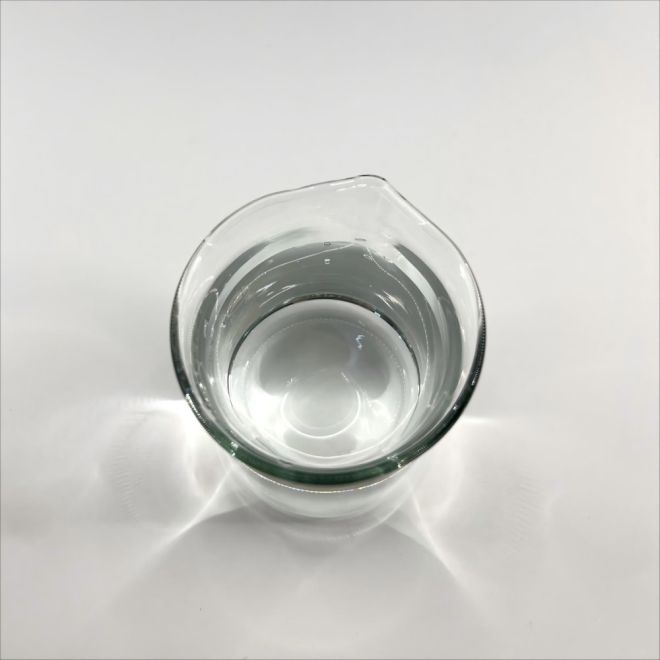
Tired of staring at drums of 40% glyoxal solution, wondering if they’re secret alien fuel instead of a useful chemical? You’re not alone—many plants treat glyoxal like that mysterious coworker nobody fully understands.
You can tame glyoxal by learning its main industrial roles—textile finishing, paper strength, oilfield chemicals, and crosslinking polymers—using clear, trusted guidance. Check the detailed overview from the European Chemicals Agency here: Authoritative glyoxal report.
🔹 Role of 40% glyoxal solution in textile crease-resistant finishing
40% glyoxal solution helps textile mills produce durable, crease‑resistant fabrics with good hand feel. It forms stable crosslinks with cellulose, improving shape retention after repeated washing.
When used correctly, glyoxal boosts fabric quality while keeping process costs low. It also works well with modern low‑formaldehyde finishing systems.
1. Mechanism of crease-resistant finishing
Glyoxal reacts with hydroxyl groups in cotton and viscose fibers to create flexible crosslinks. These bonds help fabrics recover from bending and prevent deep wrinkle formation.
- Forms acetal bridges between cellulose chains
- Improves elastic recovery and shrink resistance
- Compatible with softeners and catalysts
- Works in pad–dry–cure finishing lines
2. Process parameters for optimal performance
Finishers adjust glyoxal dosage, pH, curing temperature, and time to balance crease resistance, strength, and shade stability for each fabric type.
| Parameter | Typical Range | Effect |
|---|---|---|
| Glyoxal dosage | 20–80 g/L | Higher dosage raises crease recovery |
| pH | 4.0–5.0 | Supports efficient crosslinking |
| Cure temp. | 140–170°C | Completes reaction in short time |
3. Benefits for different textile substrates
Glyoxal finishing fits pure cotton, polyester/cotton blends, and cellulosic knits. Mills can tune recipes for shirts, uniforms, and home textiles.
- Cotton: strong crease recovery and low shrinkage
- Poly/cotton: improved appearance after washing
- Rayon/viscose: better dimensional stability
- Workwear: sharper pleats and seams
4. Quality, compliance, and product selection
Brands seek low odor, low impurity glyoxal grades for safer, stable finishes and clean white shades in high‑end garments and linens.
Many mills choose High Purity 40% Glyoxal CAS 107-22-2 to meet strict export, eco‑label, and consistency requirements.
⚙️ Application of glyoxal-based crosslinking in paper and packaging industries
In paper and packaging, 40% glyoxal solution improves wet strength, surface hardness, and print quality while allowing lighter basis weight designs.
It reacts with starch and polyvinyl alcohol binders, giving cartons and specialty papers higher performance under humid or wet conditions.
1. Enhancement of paper strength properties
Glyoxal‑modified starch increases internal bonding and wet strength. Mills can reduce pulp use while keeping stiffness and runnability stable on high‑speed machines.
- Higher dry and wet tensile strength
- Improved fiber–binder adhesion
- Better sheet integrity in converting
- Supports downgauging projects
2. Surface sizing and printability benefits
When added to surface size, glyoxal raises pick strength and reduces dusting. It helps inks sit on the surface for sharper images and barcodes.
| Property | Without Glyoxal | With Glyoxal |
|---|---|---|
| Ink density | Medium | Higher, more vivid |
| Linting | Frequent | Reduced |
| Surface strength | Standard | Enhanced |
3. Glyoxal in packaging board and liquid cartons
Packaging grades use glyoxal to resist edge wicking and panel softening. This supports boxes for fresh produce, beverages, and refrigerated supply chains.
- Improved edge wick resistance
- Better glue line stability
- Less warping in cold rooms
- Stronger boxes under high humidity
4. Market trend analysis for glyoxal in paper
Demand for glyoxal grows with e‑commerce, food packaging, and the shift from plastics to fiber‑based solutions that require stronger, lighter paper structures.
🧫 Use of glyoxal solution as a biocidal preservative in industrial formulations
40% glyoxal solution acts as a broad‑spectrum preservative that controls bacteria and fungi in many water‑based industrial products.
It helps extend product shelf life and protect equipment from bio‑film build‑up in closed systems.
1. Preservation of adhesives, inks, and coatings
Formulators add glyoxal to prevent microbial growth in PVA glues, waterborne inks, and acrylic coatings during storage and application.
- Prevents foul odor and gas formation
- Reduces viscosity drift and spoilage
- Compatible with many co‑biocides
- Useful at low active dosages
2. Control of microbes in construction chemicals
Ready‑mix mortars, tile adhesives, and polymer dispersions use glyoxal to stay stable in warm climates and long supply chains.
| Product Type | Main Risk | Glyoxal Benefit |
|---|---|---|
| Dispersions | Bacterial growth | Maintains low micro count |
| Mortars | Fungal spots | Cleaner appearance |
| Liquid admixtures | Slime build‑up | Stable handling |
3. Regulatory and formulation considerations
Producers follow regional biocide rules, label requirements, and worker safety guidelines when using glyoxal in preservative packages.
- Observe allowed use levels
- Test storage stability in real conditions
- Check material compatibility
- Document efficacy data
🧪 Glyoxal in oilfield chemicals: corrosion control and polymer crosslinking functions
Oilfield service companies use 40% glyoxal solution to protect steel assets and adjust polymer properties in drilling and production fluids.
Its controlled reactivity supports safer, more efficient operations in wells and surface equipment.
1. Corrosion inhibition in production systems
Glyoxal helps lower corrosion rates by reacting with metal surfaces and disturbing microbial activity that promotes under‑deposit corrosion.
- Used in topside and downhole treatments
- Supports biocide programs
- Compatible with many brines
- Can be blended with film‑forming inhibitors
2. Crosslinking of polymers in drilling and completion fluids
Engineers apply glyoxal to crosslink guar, starch, and synthetic polymers, adjusting viscosity for carrying cuttings and proppant.
| Polymer | Application | Glyoxal Role |
|---|---|---|
| Guar | Fracturing fluids | Controls gel strength |
| Starch | Drilling muds | Improves fluid loss control |
| Polyacrylamide | Water control | Boosts stability |
3. Field handling and compatibility checks
Field teams test glyoxal with local waters, surfactants, and scale inhibitors to avoid precipitation and ensure stable packages.
- Run bottle tests before full deployment
- Monitor pH and temperature effects
- Use compatible materials of construction
- Train crews on safe dosing methods
🏭 Safety handling practices for 40 glyoxal solution in large-scale manufacturing
Responsible handling of 40% glyoxal solution protects workers, equipment, and the environment in textile, paper, and chemical plants.
Clear procedures, correct storage, and effective training all reduce risk in daily operations.
1. Personal protective equipment and hygiene
Operators should avoid skin and eye contact and prevent inhalation of vapors, especially in warm processing areas.
- Wear gloves, goggles, and protective clothing
- Use local exhaust ventilation
- Wash hands after handling
- Provide eyewash and safety showers
2. Storage, transfer, and spill control
Plants store glyoxal in closed, labeled tanks and use dedicated lines and pumps to limit leaks and contamination.
| Aspect | Guideline |
|---|---|
| Storage temperature | Cool, out of direct sun |
| Containers | Compatible, corrosion‑resistant |
| Spill response | Contain, dilute, and collect safely |
| Labeling | Follow GHS and local rules |
3. Training, documentation, and emergency planning
Management should update safety data sheets, conduct regular training, and prepare clear emergency steps for exposure or large spills.
- Review SDS with all operators
- Run drills for spill scenarios
- Maintain first‑aid instructions onsite
- Coordinate with local emergency services
Conclusion
40% glyoxal solution supports many industries with crosslinking, preservation, and corrosion control functions. Its versatility allows better product performance and more efficient processes.
By choosing high‑purity grades, tuning formulations, and following solid safety practices, manufacturers can unlock strong value while meeting modern quality and regulatory expectations.
Frequently Asked Questions about 40 glyoxal solution
1. What is 40% glyoxal solution?
It is an aqueous solution containing about 40% glyoxal by weight. Producers use it as a reactive crosslinker, preservative, and specialty intermediate in many formulations.
2. Is 40% glyoxal solution the same as formaldehyde?
No. Glyoxal is a dialdehyde with different reactivity and toxicity profiles. It often helps reduce or replace formaldehyde in some textile and paper applications.
3. How should 40% glyoxal solution be stored?
Store it in tightly closed, labeled containers in a cool, well‑ventilated area. Keep it away from strong oxidizers, strong bases, and direct sunlight to preserve stability.
4. Can glyoxal be used in food-contact paper?
Possible use depends on local regulations and migration limits. Producers must check regional rules, conduct testing, and work with suppliers who understand compliance needs.
5. What first-aid steps are needed after exposure?
For skin contact, rinse with plenty of water and remove contaminated clothing. For eye contact, flush eyes and seek medical advice. Always follow the product SDS.