+86 15335010872
 +86 186 0579 8634
 caroline@jrsmaterial.com






Your sofa once looked like a showroom star, but now it’s covered in mystery stains, pet hair, and suspicious crumbs that could probably start their own ecosystem.
You can fix this by choosing durable sofa lining fabrics. Studies on upholstery performance show tightly woven synthetic blends resist wear, stains, and fading far better than basic cotton covers [Textile Durability Report].
🛋️ Cotton vs. Polyester: Which Sofa Lining Cloth Lasts Longer?
Cotton feels soft and natural, while polyester offers strong, long-lasting support. Knowing the difference helps you choose a sofa lining that resists wear and daily pressure.
For durable linings, many upholsterers now mix natural comfort with synthetic strength. Blends and nonwoven fabrics balance breathability, shape retention, and cost over the sofa’s full life.
1. Cotton Lining: Comfort and Breathability
Cotton lining breathes well and feels gentle against cushions. It suits light-use sofas but may weaken faster under friction, moisture, or heavy family traffic.
- Soft hand feel
- Good airflow
- Prone to shrinkage
- Lower abrasion resistance
2. Polyester Lining: Strength and Shape Retention
Polyester lining stands up to pulling, sagging, and frequent cleaning. It keeps cushion structure stable and supports heavy-use living rooms and commercial spaces.
- High tear resistance
- Low shrink and stretch
- Better stain resistance
- Cost-effective over time
3. Blended Fabrics: Balanced Performance
Cotton–polyester blends bring together softness and durability. They help reduce pilling, give better feel than pure synthetics, and improve strength over pure cotton.
| Blend Type | Main Benefit |
|---|---|
| 60% Cotton / 40% Polyester | Softer touch |
| 40% Cotton / 60% Polyester | Higher durability |
4. Nonwoven Polyester: Modern Lining Choice
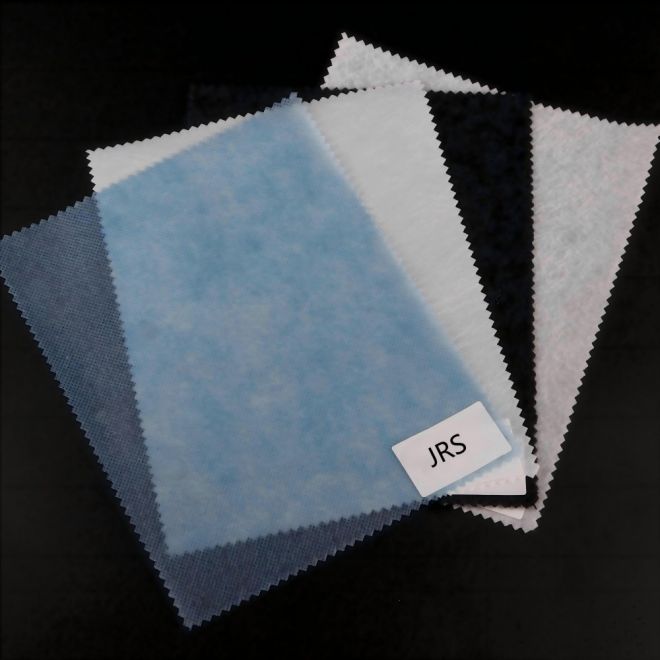
Engineered nonwoven fabrics offer consistent strength, easy cutting, and clean edges. They resist tearing and support smooth upholstery lines without bulk.
The flexible structure of Customizable Color Polyester Staple Fiber Nonwoven Fabric makes it ideal for backing, dust covers, and internal sofa layers.
🧵 How Weave Density Affects Sofa Lining Strength and Durability
Weave density, or threads per inch, directly affects how well the lining resists tears, sagging, and rubbing. Denser structures handle pressure, staples, and movement much better.
By checking GSM and thread count, you can compare linings more accurately. Denser woven or nonwoven fabrics usually last longer under real home use.
1. Understanding GSM and Thread Count
GSM shows fabric weight per square meter, while thread count measures yarn density. Together, they explain how solid and supportive a lining will feel.
| Type | Typical GSM | Use |
|---|---|---|
| Lightweight | 40–70 | Dust covers |
| Medium | 70–120 | General lining |
| Heavy | 120–200 | High-stress areas |
2. ECharts Bar Chart: Density vs. Tear Strength
The chart below compares low, medium, and high-density linings. Higher density clearly links with stronger tear resistance, ideal for seat bases and backs.
3. Woven vs. Nonwoven for Sofa Linings
Woven fabrics use crossing yarns, while nonwovens bond fibers directly. Each style affects stretch, fray resistance, and how neatly edges finish.
- Woven: classic look, can fray
- Nonwoven: clean cut, stable
- Choice depends on stress zones
4. When to Choose High-Density Nonwoven
High-density nonwoven polyester works best under cushions and in support layers. It spreads loads evenly and holds staples without ripping.
Waterproof Spunbond Polyester Nonwoven Fabric for Roofing Underlayment also inspires heavy-duty sofa bases where moisture and pressure are concerns.
🧽 Stain-Resistant Sofa Lining Fabrics for Homes with Kids and Pets
Stain-resistant linings protect cushions from spills, pet fur, and hidden dirt. They help sofas stay fresh longer, even under busy, playful family use.
1. Why Stain Resistance Matters Inside the Sofa
Liquids and crumbs often seep past the cover into lining layers. Stain-resistant linings block deep marks and keep odors from building inside cushions.
2. Best Fiber Types for Easy Cleaning
Polyester and PET fibers shed liquids faster than cotton. They handle gentle wiping and vacuuming without weakening or soaking in dirt.
- Low moisture absorption
- Fast drying
- Less odor build-up
3. Surface Treatments and Coatings
Some nonwovens use light coatings to resist stains and slipping. These finishes help crumbs sit on the surface, so you can clean them quickly.
| Treatment | Benefit |
|---|---|
| Water-repellent | Slows liquid soak-in |
| Anti-slip | Keeps layers in place |
🔥 Fire-Resistant Sofa Lining Materials and Safety Standards Explained
Fire-resistant linings slow flame spread and reduce smoke. They support safer homes and help furniture meet regional flammability rules and test standards.
1. How Fire-Resistant Linings Work
Fire-resistant fibers or coatings char instead of burning fast. This slows heat transfer from the cover to the inner foam and frame.
2. Common Fire Safety Standards
Many markets follow test rules that measure ignition time and burn distance. Linings help the full sofa pass these safety requirements.
- Open-flame tests
- Cigarette smolder tests
- Updated regional standards
3. Choosing Safe Yet Practical Materials
Modern FR polyester linings balance safety, cost, and comfort. They avoid heavy weight while still providing strong support and flame performance.
| Material | Key Feature |
|---|---|
| FR Polyester Nonwoven | Stable and light |
| FR Blended Woven | Softer feel |
🏢 Why Professional Upholsterers Prefer JRS MATERIALS for Sofa Lining Cloth
Professional upholsterers trust consistent quality, clear specs, and fast supply. JRS MATERIALS focuses on durable nonwoven solutions for many sofa lining needs.
1. Reliable Quality and Performance
JRS MATERIALS offers stable GSM, even bonding, and strong tear resistance. This helps upholsterers reduce waste and speed up every installation step.
2. Wide Range of Technical Nonwovens
From soft dust covers to firm base layers, JRS MATERIALS provides options that suit different sofa designs, budgets, and comfort goals.
For anti-movement base layers, Anti Slip Pet Spunbond Nonwoven Fabric for Safety Carpet Underlayment also works as a smart anti-slip sofa support.
3. Custom Colors and Specifications
Upholsterers can match lining color, width, and strength to each project. This flexibility supports branding, design details, and long-term client satisfaction.
Conclusion
Durable sofa lining cloth depends on fiber type, density, and safety performance. Polyester and engineered nonwovens provide strong, stable support for busy homes and commercial spaces.
By choosing stain- and fire-conscious linings from trusted suppliers, you protect cushions, extend sofa life, and add real value to every upholstery project.
Frequently Asked Questions about sofa lining cloth
1. What is the main purpose of sofa lining cloth?
Sofa lining cloth supports cushions, hides internal parts, and protects foam from dust, friction, and stains that pass through the outer cover.
2. Is polyester better than cotton for sofa lining?
Polyester usually lasts longer, resists tearing, and shrinks less than cotton. Cotton feels softer but suits lighter-use sofas or decorative furniture.
3. What GSM should I choose for sofa lining?
For seat bases and backs, many upholsterers use 70–120 GSM nonwoven. Heavier areas or commercial sofas may need 120–200 GSM.
4. Do I really need fire-resistant lining materials?
Fire-resistant linings help meet safety standards and reduce risk. They are highly recommended for public spaces and strongly advised for family homes.
5. How can I tell if a lining fabric is durable?
Check GSM, tear strength, and abrasion data. Dense, well-bonded nonwoven polyester with clear test results is a strong sign of long-term durability.