+86 15335010872
 +86 186 0579 8634
 caroline@jrsmaterial.com






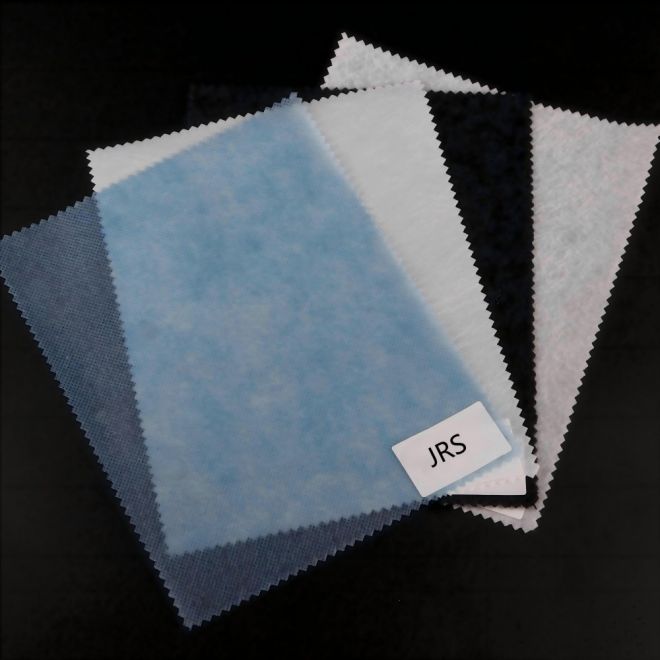
Tired of harvest cloth that fits your crops about as well as socks fit pumpkins, and can’t show off your brand? It’s like your fields got dressed in “one-size-fits-none” fashion.
Choose custom-size harvest cloth with logo printing to match your rows, protect produce, and boost brand visibility; studies on agricultural material efficiency support tailored coverings (FAO report).
🔹 Tailoring Harvest Cloth Dimensions to Match Different Crops and Fields
Custom-sized harvest cloth lets farmers match fabric length and width to crop rows, tree spacing, and terrain. This improves coverage, reduces gaps, and cuts labor time.
By planning dimensions by crop type and field layout, you can protect fruit, reduce soil contact, and keep harvest flows clean and organized.
1. Matching Cloth Width to Row Spacing
Set cloth width based on row spacing so workers pull fabric once with full coverage. This saves time and prevents fruit from falling outside the cloth.
- Measure average row spacing before ordering.
- Allow a slight overlap on each side.
- Use wider rolls for orchards and vineyards.
2. Adjusting Length for Tree or Plant Density
Length should match the number of trees or plants per section. This reduces folding and improves handling during spreading and collection.
| Crop Type | Suggested Cloth Length |
|---|---|
| Olive / Citrus Orchards | 30–50 m |
| Vineyards | 20–40 m |
| Berry Rows | 10–20 m |
3. Adapting Cloth for Slopes and Irregular Fields
For sloped or uneven fields, custom cutting helps prevent slippage and pooling. Tapered edges and anchor points keep the cloth in position.
- Use stakes or sandbags for steep slopes.
- Add reinforced eyelets at corners.
- Plan drainage paths for rainwater.
4. Integrating with Other Nonwoven Farm Materials
Harvest cloth dimensions should coordinate with other nonwoven products to standardize storage and logistics across your farm operations.
- Align widths with Anti Slip Pet Spunbond Nonwoven Fabric for Safety Carpet Underlayment rolls.
- Unify roll diameters for easier stacking and shipping.
🔹 Advantages of Custom Sizes for Efficient Harvesting and Reduced Waste
Custom sizes reduce fabric waste, limit offcuts, and help workers move faster. You use only the material you need while improving harvest speed.
This saves money on fabric and labor while lowering the environmental impact of each harvest season.
1. Less Material Waste on Every Roll
When cloth size matches your field layout, you cut less material. This helps control costs and makes inventory planning easier.
| Setup | Waste Rate |
|---|---|
| Standard Sizes | 10–15% |
| Custom Sizes | 2–5% |
2. Faster Setup and Collection Times
Teams work faster when cloth lengths fit each block. Less folding and trimming means more fruit picked in less time.
- Shorter training time for workers.
- Fewer adjustments in the field.
- Better daily harvest targets.
3. Better Fruit Protection and Cleaner Yield
Accurate sizing keeps fruit on the cloth and away from soil or mud. This improves quality grades and reduces sorting work.
- Fewer bruises and stains.
- Cleaner loads for packing houses.
4. Simple Data-Driven Size Planning
Use basic field data to choose best cloth sizes. The example below shows how custom sizing can cut waste percentages across blocks.
🔹 Logo Printing on Harvest Cloth for Farm Identification and Organization
Printing logos or codes on harvest cloth makes each piece easy to track. It supports branding and keeps equipment organized across large farms.
1. Clear Farm Branding in the Field
Bold logos help workers and partners identify your cloth instantly. This reduces loss when sharing machines or fields with other growers.
- Large, high-contrast designs.
- Logos placed on both ends.
2. Color Codes for Crop Type or Block
Use different logo colors or simple marks to show crop type or field block, making deployment and storage more organized.
| Color | Use |
|---|---|
| Green | Citrus blocks |
| Blue | Olives |
| Yellow | Grapes |
3. Easy Tracking Through Seasons
Logos and printed batch codes help track fabric age, usage cycles, and supplier details for better planning and reordering.
- Print year of purchase.
- Add size and GSM on the edge.
🔹 Durable Printing Techniques That Withstand Outdoor Sunlight and Moisture
Outdoor harvest cloth needs printing that resists UV, water, and abrasion. Strong inks keep logos readable across many harvest seasons.
1. UV-Resistant Inks for Long Sun Exposure
UV-stable inks keep colors from fading in strong sunlight. This preserves logo clarity and safety markings over time.
- Test prints under real field light.
- Choose darker tones for longer life.
2. Waterproof and Smudge-Resistant Layers
Moisture-resistant printing prevents smearing from dew, rain, or juice. Logos stay neat even with frequent washing.
| Condition | Performance |
|---|---|
| Light rain | No bleeding |
| High humidity | Logo remains sharp |
3. Abrasion-Resistant Surfaces for Repeated Use
Strong bonding between ink and nonwoven fibers helps prints resist rubbing from soil, boots, and machinery.
- Use tested coatings for nonwoven.
- Place logos away from high-wear edges when possible.
🔹 Why Professional Customization by JRS MATERIALS Ensures Reliable Harvest Cloth Performance
Professional customization links material strength, sizing, and printing into one solution. JRS MATERIALS designs harvest cloth that fits real farm conditions.
1. Material Expertise for Tough Field Work
JRS MATERIALS uses nonwoven fabrics with high tear strength, load capacity, and good drape for smooth fruit collection.
- Reference designs from High Tensile Strength Nonwoven Fabric for Durable Packaging and Bag Material.
- Balanced weight for easy handling.
2. Integrated Size, Print, and Roll Configuration
Custom roll widths, lengths, and logo positions are planned together, so farms receive cloth ready to use with minimal on-site cutting.
| Option | Benefit |
|---|---|
| Pre-cut panels | Faster deployment |
| Roll form | Flexible for mixed fields |
3. Reliable Supply and Consistent Quality
As a direct producer, JRS MATERIALS controls raw PET nonwoven quality similar to its China Manufacturer Direct Supply Pet Spunbond Nonwoven Fabric for Home Textiles, ensuring stable performance.
- Repeatable GSM and strength.
- Traceable production batches.
Conclusion
Custom-sized and logo-printed harvest cloth helps farms work faster, reduce waste, and keep fruit cleaner. Proper dimensions fit real field layouts, while strong printing supports tracking and branding.
By working with a specialist like JRS MATERIALS, you gain nonwoven fabrics designed for outdoor demands, with sizes and logos tailored to your crops and harvest systems.
Frequently Asked Questions about harvest cloth
1. What is harvest cloth used for?
Harvest cloth catches fruit or nuts as they fall, protects them from soil and stones, and lets workers gather produce quickly and cleanly.
2. How do I choose the right size?
Measure row spacing, tree distance, and block length. Then select cloth widths and lengths that cover each row with slight overlap and minimal trimming.
3. Can logos fade in strong sun and rain?
With UV-resistant and waterproof inks, logos stay visible across multiple seasons, even under strong sunlight, moisture, and regular field handling.
4. How many seasons can harvest cloth last?
Service life depends on fabric weight, UV exposure, and handling. With strong PET nonwoven and correct storage, many farms use cloth for several years.
5. Can I get different colors for different crops?
Yes. You can choose fabric or logo colors to mark crop types, seasons, or field blocks, which simplifies sorting and deployment in busy harvest periods.