+86 15335010872
 +86 186 0579 8634
 caroline@jrsmaterial.com



Self-adhesive polyester fiberglass fabric is a high-performance composite material that combines the advantages of polyester fibers and fiberglass, achieving self-adhesion through a specialized self-adhesive coating.
Material Composition:
Base Material: Fiberglass fabric woven from polyester and fiberglass fibers. This combination provides high strength, rigidity, and excellent durability.
Self-Adhesive Layer: A specially formulated adhesive coating applied to one side of the fabric, enabling direct adhesion to various substrates without the need for additional glue or bonding agents.
Key Features:
Self-Adhesiveness: A standout feature allowing direct application onto surfaces requiring reinforcement or protection, simplifying installation and improving efficiency.
High Strength & Rigidity: The interwoven polyester and fiberglass fibers provide high strength and rigidity, effectively enhancing load-bearing capacity and tensile resistance.
Low Elongation: Minimal deformation under stress ensures superior dimensional stability.
High-Temperature Stability: Maintains stable performance at elevated temperatures, resisting deformation or failure.
Good Compatibility: Excellent compatibility with asphalt and other road materials, forming an effective waterproof layer to prevent moisture infiltration.
Corrosion Resistance: Resists damage from acids, alkalis, oils, and other corrosive media, ensuring long-term stability.
Insulation Properties: Offers effective electrical and thermal insulation, suitable for electrical insulation and thermal barrier applications.
Breathability: Permits ventilation, reducing moisture buildup and corrosion risks.
Weather Resistance: Retains original performance under various climatic conditions, unaffected by prolonged UV exposure, rain, snow, or erosion.
Applications:
The unique self-adhesiveness, high strength, durability, and weather resistance of self-adhesive polyester fiberglass fabric make it highly valuable across construction, road engineering, water conservancy, and other fields.
Construction:
Waterproofing: Ideal for roofs, exterior walls, and basements.
Structural Reinforcement: Strengthens walls and roofs, improving overall structural stability and load-bearing capacity.
Infrastructure Maintenance: Used in bridges, tunnels, etc., to enhance structural stability and durability.
Road Engineering:
Crack Prevention & Reinforcement: Laid between asphalt overlays and existing pavements (e.g., old concrete roads) as an anti-reflective cracking interlayer to delay or prevent crack propagation.
Pavement Repair: Enables quick and effective repair of cracked or damaged surfaces, restoring smoothness and traffic capacity.
Pavement Waterproofing: Forms a tight waterproof layer with asphalt, preventing water infiltration into the subgrade.
Water Conservancy:
Serves as an anti-seepage material in dams, reservoirs, and canals, ensuring safe operation.
Other Fields:
Anti-Corrosion & Waterproofing for Pipes/Tanks: Excellent performance in protecting and reinforcing pipelines, storage tanks, and reservoirs.
Electronic Component Encapsulation: Used for encapsulation and insulation due to its superior insulating properties.
Aerospace: Valued for its lightweight yet high-strength characteristics, reducing overall weight while maintaining structural integrity.
Environmental Engineering: Acts as a cover and anti-seepage layer in landfills, wastewater treatment, and river management to prevent pollutant leakage.
Installation Method:
The installation of self-adhesive polyester fiberglass fabric is relatively straightforward but requires attention to the following steps and precautions:
Surface Preparation: Thoroughly clean the surface to remove oil, debris, loose particles, and dust, ensuring optimal asphalt bonding.
Crack Repair: Fill cracks wider than 6mm or deeper than 2cm with emulsified asphalt or other suitable materials to ensure surface evenness and compactness.
Laying the Fabric: Unroll the self-adhesive polyester fiberglass fabric over the prepared surface according to design specifications. Ensure the fabric lies flat without air bubbles, and minimize overlap areas.
Spraying Asphalt Tack Coat: Apply a uniform layer of hot asphalt tack coat using an asphalt distributor, ensuring proper asphalt temperature and even coverage.
Compaction & Fixing: Use a roller or other suitable equipment to compact and secure the fabric, ensuring tight adhesion to the surface.
Applying Protective Layer: Apply a protective layer over the fabric to shield it from environmental damage.

- Home
-
Products
-
Non-woven Fabric
- PET Spunbond Nonwoven Fabric
- PET Continuous Filament Polyester Nonwoven Fabric
- PET Staple Fiber Nonwoven Fabric
- Bicomponent Coarse Denier Nonwoven Fabric
- Fiberglass/PVC/Polyester Mesh Fabric
- Needle-Punched Nonwoven Fabric
- Spunlace Nonwoven Fabric
- PVC/PE/PU Coated & Laminated Nonwoven Fabric
- Stitchbonded Nonwoven Fabric
- PP Spunbond Nonwoven Fabric
- Water-soluble Nonwoven Fabric
- Fiberglass
- Chemicals
-
Non-woven Fabric
-
Applications
- Waterproofing & Roofing Systems
- ETICS / External Wall Insulation
- Decoration & Sound Absorption
- Structural Strengthening and Reinforcement
- Geotechnical & Civil Engineering
- Filtration & Separation
- Protection & Safety
- Printing & Packaging Materials
- Hygienic Nonwovens
- Building Chemicals
- Floor & Carpet Base Cloth
- Automotive Interior Material
- Othere Chemicals
- News
- About us
- Contact us
- Download

Polyester Fiberglass Fabric / Fiberglass Composite Geotextile Installation Method
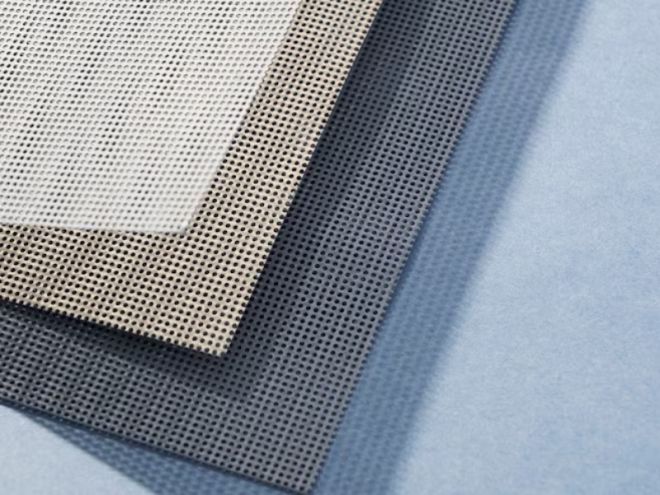
Table of Contents