+86 15335010872
 +86 186 0579 8634
 caroline@jrsmaterial.com






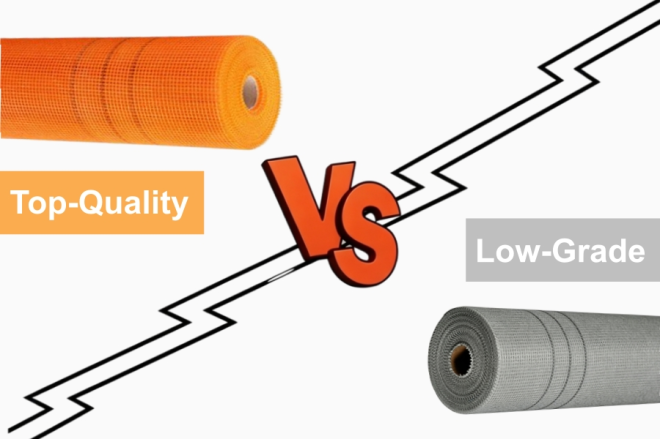
If you’ve ever shopped for fiberglass mesh for your insulation, plastering, or tiling projects, you’ve probably noticed something confusing:
Two rolls with the same grammage (g/m²), same width/length, and even the same “alkali-resistant” label can have wildly different prices.
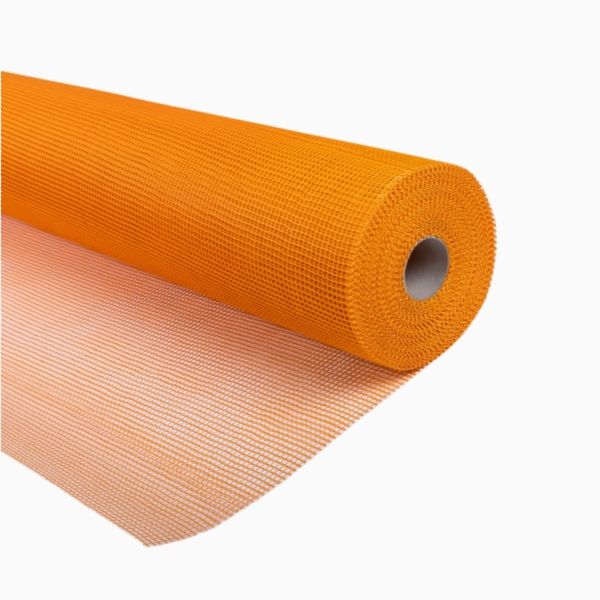
Is the cheaper one just a bargain? Or is the expensive one overcharging?
The truth is, the price gap hides critical differences that directly impact your project’s long-term success, client satisfaction, and bottom line. Let’s break down what you’re really paying for.
1. The Glass Fiber Yarn: The "Core" That Defines Durability
Not all fiberglass is created equal. This is the #1 hidden factor behind price differences.
High-Quality Mesh: Uses E-glass or C-glass (alkali-resistant grade) continuous filament yarn. These yarns are made from pure virgin glass with consistent diameter, no impurities, and precise tension control during spinning. They deliver stable tensile strength and resist degradation over decades.
Low-Grade Mesh: Often uses recycled glass fiber, chopped strand waste, or low-grade A-glass yarn. These yarns have uneven thickness, hidden impurities, and inconsistent quality. While they may pass basic weight checks, their tensile strength drops sharply over time, especially in alkaline cement environments.
The Impact:
A mesh made with cheap yarn may lose 50% of its strength within 2–3 years, leading to wall cracks, delamination, and costly repairs.
2. Alkali-Resistant Coating: The "Protective Shield" That Extends Lifespan
The coating is where the biggest quality gap appears—even when both products claim to be “alkali-resistant.”
Premium Grade: Coated with high-quality acrylic copolymer emulsion (often with added zirconium or silane modifiers). The coating is applied evenly, penetrates deep into the yarn, and forms a flexible, chemical-resistant barrier. This prevents alkaline substances in cement/mortar from corroding the glass fibers, maintaining strength for 20+ years.
Low-Grade: Uses cheap PVC emulsion, vinyl acetate, or even diluted acrylic. The coating is thin, uneven, and often contains fillers (such as calcium carbonate) to cut costs. It may look the same initially, but it cracks, peels, or breaks down in alkaline conditions within 1–3 years. Some even have a pungent chemical odor from low-quality binders.
The Impact:
Poor coating leads to premature mesh degradation, causing the plaster layer to crack, bubble, or detach from the wall. This is the #1 cause of complaints in exterior insulation (ETICS/EIFS) projects.
3. Weaving & Manufacturing Precision: The "Structure" That Holds It All TogetherIdentical weight specifications never guarantee equivalent performance. Even if two fiberglass mesh rolls share the same grammage, width and length, differences in weaving techniques and manufacturing standards can completely change the overall performance and service life of the final products.
High-Quality Mesh:High-quality fiberglass mesh is produced with automated precision weaving machines. Every yarn is arranged straight and orderly with a uniform aperture size across the entire roll. The finished mesh features stable warp and weft tensile strength, low elongation, and excellent dimensional stability. It will not stretch, deform or fray during cutting and construction, and it can remain flat inside plaster and mortar without shrinking or warping after long-term use.
Low-Grade Mesh:In contrast, low-cost mesh is generally manufactured on outdated manual weaving equipment. Such primitive production methods often result in wavy yarns, irregular mesh holes and rough frayed edges. Due to a lack of standardized quality control, its tensile strength is unstable and insufficient. The cheap mesh is highly susceptible to deformation and breakage during installation. Worse still, it tends to shrink when exposed to moisture or fluctuating temperatures, which constantly squeezes the plaster layer.
The Impact: Unprofessional weaving structures create unbalanced stress points inside the wall. Under recurring thermal expansion and contraction throughout seasonal changes, these weak points will gradually develop into permanent cracks, resulting in rework costs and negative customer feedback.
4. Final Takeaway: Invest in Quality, Protect Your Projects
Fiberglass mesh is the "invisible backbone" of your construction projects. A few extra cents per square meter for high-quality mesh saves you thousands in repairs, rework, and reputational damage later.
When you work with us, you get:
- 100% virgin E-glass yarn
- Premium alkali-resistant acrylic coating
- Strict quality control with full test reports
- Consistent batch-to-batch performance
- Technical support to choose the right mesh for your specific project
Don’t let "low price" become your biggest project risk. Reach out to our team today to learn more about how our high-quality fiberglass mesh can protect your work and your clients’ investments.