+86 15335010872
 +86 186 0579 8634
 caroline@jrsmaterial.com






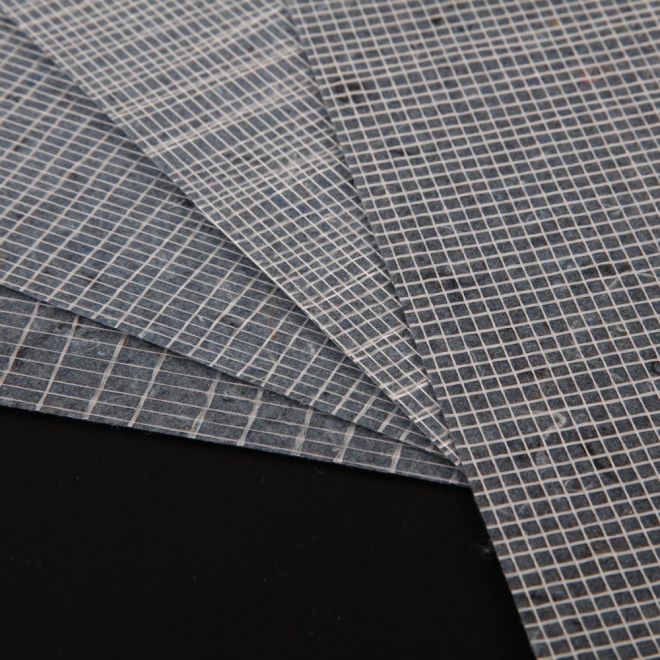
You keep hearing about “non woven polyester fabric” and its magic powers, but every explanation sounds like it was written by a sleepy robot with a textile PhD.
Let’s fix that by breaking its working principle into simple steps, backed by this clear industry overview: OECD Nonwovens Report.
🧵 Fiber Web Formation: From Polyester Chips To Continuous Filament Or Staple Web
Non woven polyester fabric starts from PET chips that melt, extrude, and form fibers. These fibers lay into a loose web, ready for bonding and strength building.
The web can use continuous filaments or staple fibers. Process choice affects thickness, strength, and surface texture for technical uses like roofing, filtration, and automotive.
1. Melting And Extruding Polyester Chips
Polyester chips melt in an extruder, then pass through spinnerets to form fine filaments. Cooling air solidifies the filaments, locking in diameter and basic strength.
- Controlled temperature avoids degradation
- Spinneret design sets fiber fineness
- Quenching air stabilizes fiber shape
2. Drawing Fibers For Higher Strength
After spinning, machines draw the filaments to align polymer chains. This step increases tensile strength and reduces fiber stretch for stable fabric performance.
- Draw ratio changes strength and elongation
- Higher draw = stronger but less stretchy
- Crucial for China Factory Direct PET Spunbonded Needle-punched Nonwovens
3. Web Laying: Spunbond And Carded Staple
In spunbond, filaments fall directly on a moving belt to form a uniform web. For staple types, cards open fibers and lay them in thin layers.
| Method | Key Benefit |
|---|---|
| Spunbond | High productivity and even coverage |
| Carded staple | Better bulk and softness options |
4. Web Control Before Bonding
The fresh web passes through controls for weight, width, and evenness. Proper control ensures stable quality in roofing felt, tiles backing, and geotextiles.
- Online grammage monitoring
- Edge trimming for clean rolls
- Basis for later mechanical or thermal bonding
⚙️ Mechanical Bonding: Needle Punching And Stitching For Structural Strength
Mechanical bonding uses moving needles or stitches to entangle fibers inside the web. This method builds thickness, strength, and stability without melting the polyester.
Needle-punched fabrics serve in roofing, concrete tile protection, and filtration where high tear resistance and abrasion resistance matter.
1. Needle Loom Action And Fiber Entanglement
In needle looms, boards of barbed needles move up and down through the fiber web. The barbs hook fibers and push them vertically, creating a dense 3D structure.
- Needle density raises fabric strength
- Punch frequency changes surface and bulk
- Useful for heavy-duty protection layers
2. Process Data: Density, Thickness, And Strength
Producers monitor needle density, punch depth, and line speed to balance thickness and tensile strength for roofing felts and industrial liners.
3. Stitch Bonding For Special Uses
Stitch bonding uses yarns and knitting needles to lock fibers in place. This creates patterned, dimensionally stable fabrics with controlled stretch and good drape.
| Feature | Benefit |
|---|---|
| Stitch pattern | Controls elasticity and feel |
| Multi-layer webs | High thickness at low weight |
4. Mechanical Bonding In Roofing And Tile Protection
Needle-punched PET nonwovens act as strong, stable carriers in roofing systems and tile lines. They protect concrete tiles from damage during production and use.
Abrasion Resistant Spunbond Pet Roofing Felt Non Woven Fabric for Concrete Tile Protection Layer shows how needling can deliver high abrasion and tear resistance in harsh outdoor conditions.
💨 Thermal Bonding: Hot Calendaring And Hot Air Techniques In Polyester Fabrics
Thermal bonding melts fiber surfaces using heat and pressure. When fibers cool, they lock together into a stable, often smoother, and more compact non woven fabric.
1. Hot Calendaring For Smooth, Dense Surfaces
Hot calendars use heated steel rolls that press the fabric under set pressure. The fiber surface softens and fuses, improving strength and surface smoothness.
- Ideal for printing and lamination
- Reduces lint and fiber shedding
- Creates controlled thickness and gloss
2. Hot Air Bonding For Loft And Softness
In hot air bonding, heated air passes through the web. Bicomponent fibers with lower-melting sheaths bond contact points while the core remains solid.
| Parameter | Effect |
|---|---|
| Air temperature | Bond level and hand feel |
| Air flow | Uniformity through fabric cross-section |
3. Thermobonded PET For Stable Technical Layers
Thermobonded PET nonwovens offer dimensional stability and low shrinkage, making them ideal carriers or substrates in multi-layer systems.
China Factory Direct PET Spunbonded Thermobonded Nonwovens combine spunbond web formation with thermal bonding to deliver stable, consistent technical fabrics.
🧪 Chemical Bonding: Binder Applications For Durability And Specific Performance
Chemical bonding applies liquid binders to the fiber web. After drying and curing, the binder forms bridges, raising strength and giving targeted functional properties.
1. Binder Types And Application Methods
Common binders include acrylic, styrene-butadiene, and polyurethane. Producers can foam, spray, pad, or print binders, tuning softness, strength, and cost.
- Acrylic: good aging and color stability
- SBR: cost-effective strength
- PU: high flexibility and abrasion resistance
2. Curing And Crosslinking For Durability
After application, ovens remove water and cure binders. Correct time and temperature allow crosslinking, which improves wet strength, chemical resistance, and wash durability.
| Setting | Result |
|---|---|
| Under-cure | Weak bonds, poor wet strength |
| Over-cure | Yellowing, stiffness |
3. Specialty Finishes For Advanced Performance
Additives in binder systems deliver extra functions such as flame retardancy, hydrophobicity, or anti-microbial behavior, making non woven polyester fit for demanding technical fields.
- FR finishes for building and transport
- Water-repellent coatings for roofing layers
- Anti-static systems for electronics packaging
🌱 Performance Features: Filtration, Insulation, And Sustainability Benefits Of Non Woven Polyester
Non woven polyester combines high strength, thermal stability, and design flexibility. It serves in filtration, insulation, geotextiles, and roofing, while supporting recycling and lower material waste.
1. Filtration Efficiency And Low Pressure Drop
Engineers can tune fiber diameter, web density, and bonding to capture dust or liquids while keeping air or fluid flow resistance low.
- Fine fibers increase capture rate
- Gradient webs extend filter life
- Heat and chemical resistance support reuse
2. Thermal And Acoustic Insulation
Lofted polyester nonwovens trap air pockets. This structure cuts heat transfer and dampens sound, supporting building, automotive, and appliance insulation uses.
| Property | Benefit |
|---|---|
| Low thermal conductivity | Energy savings |
| Sound absorption | Noise reduction |
3. Sustainability And Recycling Potential
Producers can make non woven polyester from recycled PET bottles. The process limits cutting waste, and many products remain recyclable at end of life.
This makes needle-punched and thermobonded PET solutions attractive where strong, long-life, and lower-impact technical textiles are required.
Conclusion
Non woven polyester fabric works through careful web formation and tailored bonding. Mechanical, thermal, and chemical methods all shape strength, thickness, and function.
By tuning fiber type, process, and finishes, manufacturers create durable solutions for roofing, filtration, insulation, and protection layers with growing sustainability benefits.
Frequently Asked Questions about non woven polyester material
1. Is non woven polyester fabric strong enough for roofing and tile protection?
Yes. When spunbond and needle-punched, non woven polyester offers high tensile and tear strength, plus abrasion resistance, which suits roofing felts and concrete tile protection layers.
2. How does non woven polyester differ from woven fabric?
Woven fabrics use interlaced yarns. Non woven polyester bonds fibers directly without weaving or knitting, allowing faster production, variable thickness, and tailored performance.
3. Can non woven polyester be recycled?
Many non woven polyester products use recycled PET and can be mechanically recycled again, especially when made without heavy chemical finishes or complex laminations.
4. Is non woven polyester suitable for filtration?
Yes. Producers can design fiber size, porosity, and bonding to balance filtration efficiency with air or liquid flow, making PET nonwovens popular in dust and liquid filters.
5. What bonding method should I choose for my application?
Needle punching is best for heavy-duty and high abrasion uses. Thermal bonding suits smooth, stable carriers. Chemical bonding works when you need special finishes or high wet strength.