+86 15335010872
 +86 186 0579 8634
 caroline@jrsmaterial.com






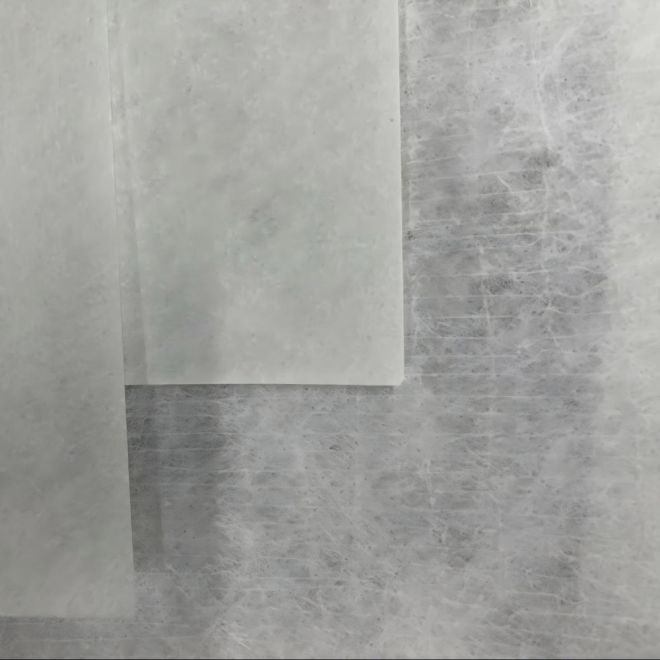
You’re researching polyester spunbond nonwoven fabrics, but every article feels like it was written by a robot who swallowed a dictionary—leaving you squinting at jargon instead of getting clear, practical insights.
This white paper turns that confusion into clarity, using simple language, real-world examples, and data-backed guidance. It aligns with industry findings from Mordor Intelligence’s Nonwoven Fabrics Market Report, so you can make smart, confident material decisions.
📘 Overview of Polyester Spunbond Nonwoven Fabrics and Core Performance Indicators
Polyester spunbond nonwoven fabrics combine continuous filaments, uniform web formation, and thermal bonding to deliver strong, dimensionally stable, and versatile industrial materials for filtration, roofing, automotive, and construction.
They offer predictable performance, tight quality control, and good cost efficiency, making them a preferred base layer or functional layer in many technical textile systems.
1. Core Structural Parameters
Structural design shapes fabric stability and end-use behavior.
- Basis weight: 10–250 g/m², controlling strength and stiffness
- Fiber fineness: 1–6 dtex, balancing softness and filtration
- Thickness and density: key to drape, permeability, and bulk
2. Mechanical Performance Indicators
Mechanical metrics guide selection for load-bearing and durable uses.
| Indicator | Typical Target | Relevance |
|---|---|---|
| Tensile strength (MD/CD) | ≥ 150 N/5 cm | Handling, installation |
| Elongation | 10–60% | Flexibility, tear resistance |
| Tear strength | High, balanced | Durable performance |
3. Functional Finishing and Surface Properties
Surface engineering adds fit-for-use traits for demanding sectors.
- Hydrophobic, hydrophilic, or anti-static finishes
- Flame retardant or UV-resistant chemistries
- Coatings and laminations for barrier and bonding
4. Key Quality Consistency Metrics
Stable production delivers predictable end-product performance and higher line efficiency.
- Uniform basis weight and thickness distribution
- Low defect rate, even bonding pattern
- Controlled shrinkage and dimensional change
🏭 Key Production Processes and Technical Parameters Affecting Fabric Quality
Polyester chips melt, extrude, spin into filaments, form a web, and thermally bond into fabric. Each step directly affects strength, porosity, and surface quality.
Optimizing spinning speed, filament cooling, laydown, and bonding temperature ensures repeatable performance for high-end technical nonwovens.
1. Spinning and Filament Formation
Stable spinning builds filament uniformity and line efficiency.
- Controlled melt viscosity and filtration
- Optimized spinning speed to avoid breaks
- Uniform quenching air for even filament diameter
2. Web Formation and Basis Weight Control
Web laydown defines fabric evenness and mechanical balance.
| Parameter | Impact on Quality |
|---|---|
| Airflow profile | Helps achieve uniform coverage |
| Line speed | Directly changes basis weight |
| Drafting ratio | Aligns fibers, affects MD/CD strength |
3. Thermal Bonding and Calendering
Bonding temperature, pressure, and pattern control strength and hand-feel.
- Higher temperature and pressure raise bond strength
- Embossing patterns tune stiffness and permeability
- Over-bonding risks brittleness and shrinkage
4. Data-Driven Quality Control
Producers now integrate online sensors and analytics to stabilize key parameters and reduce waste.
🧪 Mechanical, Thermal, and Chemical Properties in Industrial End-Use Scenarios
Polyester spunbond nonwovens deliver balanced strength, heat resistance, and chemical stability that suit many industrial and filtration environments.
They maintain form, filter performance, and durability under stress, temperature, and chemical exposure when properly designed.
1. Mechanical Behavior Under Load
High tensile and tear strength support roofing, geotextiles, and industrial packaging.
- Good load distribution reduces puncture and tear risk
- Controlled elongation supports dimensional stability
- Fatigue resistance gives long service life
2. Thermal Stability and Heat Aging
Polyester resists moderate heat and maintains structure in hot processes.
| Property | Typical Value |
|---|---|
| Softening point | ~238–240°C |
| Continuous use (air) | Up to 120–150°C |
| Heat shrinkage control | Critical for filters and laminates |
3. Chemical and Hydrolysis Resistance
Spunbond polyester shows strong resistance to many chemicals but needs care with strong alkalis and moist heat.
- Good resistance to many oils, fuels, and solvents
- Better acid than alkali resistance
- Hydrolysis-stable grades support long filter life
🌱 Sustainability, Recycling, and Regulatory Compliance for Polyester Spunbond Materials
Modern spunbond systems focus on lower environmental load, higher recyclability, and strict global compliance.
Producers combine recycled content, clean chemistry, and robust documentation to meet brand and legal requirements.
1. Use of Recycled and Recyclable Materials
Manufacturers increasingly apply rPET flakes and closed-loop recycling.
- Post-consumer and post-industrial rPET feedstock
- Mono-material structures for easier recycling
- Design for disassembly in laminates
2. Environmental Footprint and Process Efficiency
Energy and resource efficiency lower both cost and emissions.
| Focus Area | Improvement Action |
|---|---|
| Energy | Heat recovery and efficient drives |
| Water | Minimal use, closed cooling loops |
| Waste | Inline recycling of edge trims |
3. Compliance with Standards and Regulations
Global customers expect clear proof of safety and traceability.
- REACH and RoHS compliance
- Oeko-Tex and similar product safety schemes
- ISO-based quality and environment systems
📈 Application Trends and JRS MATERIALS Solutions for High-Performance Nonwovens
Application trends favor lighter, stronger, and more functional spunbond nonwovens tailored to filtration, mobility, and building sectors.
JRS MATERIALS responds with engineered PET spunbond platforms and compound solutions.
1. High-Strength and Cost-Efficient Industrial Base Fabrics
For roofing, construction, and geotextiles, China Factory Direct PET Spunbonded Thermobonded Nonwovens deliver stable strength, uniform bonding, and consistent roll quality.
2. Multi-Functional Laminates and Composite Structures
PET Spunbonded Various Function Compound Nonwovens support flame retardant, breathable, barrier, and soft-touch designs through lamination, coating, and adhesive systems.
3. Advanced Filtration and Air Management Systems
Polyester Long Fiber Continuous Filament Spunbond Thermobonded Filter Nonwoven Fabric for Filter Material offers low pressure drop, stable porosity, and long filter life for HVAC and industrial filters.
Conclusion
Polyester spunbond nonwoven fabrics combine strong mechanical properties, clean processing, and flexible design to serve many technical markets.
By tuning structure, bonding, and functional finishes, and by focusing on sustainability and compliance, producers can deliver reliable, high-performance solutions worldwide.
Frequently Asked Questions about polyester spunbond nonwoven fabric
1. What is polyester spunbond nonwoven fabric?
It is a fabric made by melting polyester chips, spinning continuous filaments, laying them as a web, and bonding them thermally without weaving or knitting.
2. Where is polyester spunbond commonly used?
Key uses include filtration, roofing underlay, automotive interiors, geotextiles, packaging, synthetic leather substrates, and various industrial laminates and composites.
3. Is polyester spunbond nonwoven recyclable?
Yes. Mono-material polyester spunbond can often be mechanically recycled, especially when free from incompatible coatings, mixed polymers, or heavy contamination.
4. How does it differ from polypropylene spunbond?
Polyester offers higher temperature resistance, better dimensional stability, and improved chemical and aging performance, while polypropylene is lighter and often lower cost.
5. What key parameters should buyers specify?
Buyers should define basis weight, thickness, strength in MD/CD, air permeability, surface finish, functional treatments, roll dimensions, and main regulatory or safety needs.